Skip to content

TLDR: Yogyakarta’s neighborhoods each have a distinct character. Malioboro is the central shopping spine. The Kraton holds royal heritage. Prawirotaman is the cafe-and-art quarter. Kotagede is the historic silver district. Tugu surrounds the main station. Kaliurang is the cool-climate hill town. Bantul to the south is the gateway to sate klathak and the southern beaches. Knowing each helps you base smartly and explore with intent.

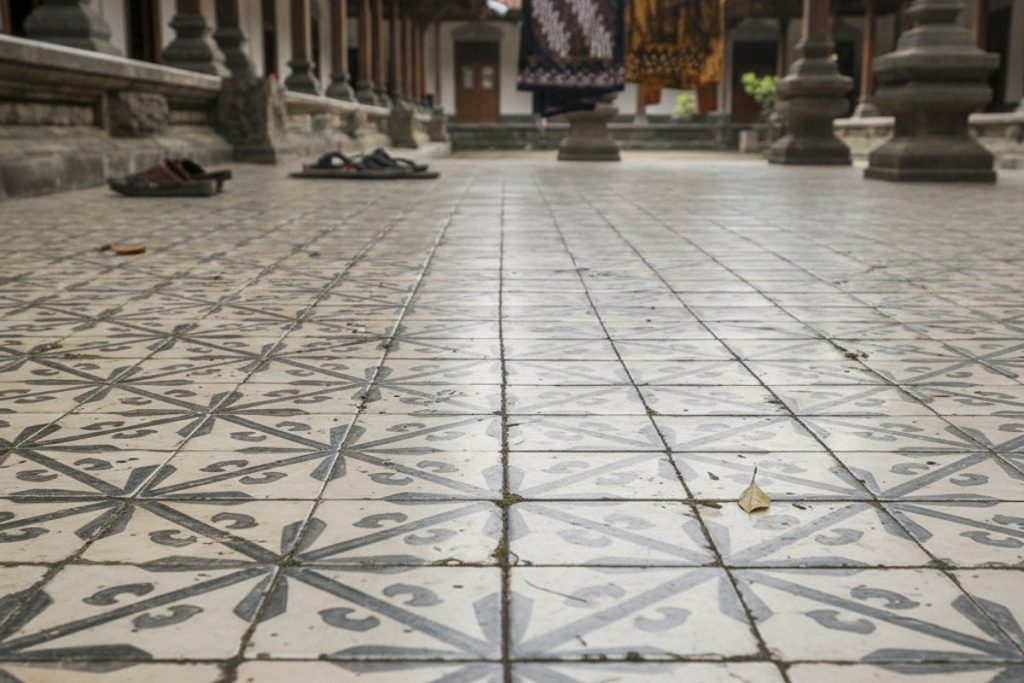
Yogyakarta kraton sultan palace tiles
Insider Tip

Spend half a day in each of three neighborhoods rather than trying to see everything in central Yogyakarta. The Kraton plus Taman Sari plus Wijilan, then Prawirotaman cafes and street art, then Kotagede silver workshops gives you a complete picture in a long weekend.

This guide to yogyakarta neighborhood guide every area you need to know is built from years of hosting travelers at Tulips Hotel Yogyakarta and walking the Kraton, Borobudur, and the southern beaches with guests. The goal is practical detail with real prices in Indonesian rupiah, walking distances, and Java-specific notes you can trust.

Malioboro And The Central Spine

Malioboro is the 2.5 km shopping and entertainment street that defines central Yogyakarta. It runs north to south from Tugu Station to Kilometer Zero just above the Alun-Alun Utara. The southern half passes Beringharjo Market and the Vredeburg Fort museum. The northern half is denser with budget hotels, batik shops, and food carts.

By day, sidewalk vendors sell batik shirts, sandals, leather bags, and silver from Kotagede. Prices are negotiable and a 60 percent counter-offer is normal. By 6 pm the lesehan (sit-on-mat) food stalls take over the sidewalks with nasi goreng, pecel lele, and ayam bakar at 25,000 to 45,000 IDR per plate.

The vibe is energetic and tourist-heavy, with becak (bicycle rickshaws) and andong (horse carts) lining the curb. Pickpocketing in the densest sections is the only safety concern. Grab cars cannot drive directly on Malioboro itself but the parallel Jl. Mataram and Jl. Suryotomo handle the traffic.

Rooms near Malioboro and the Kraton fill quickly during Indonesian school holidays. If your dates are set, lock them in early.

Check Yogyakarta Rates

Kraton, Taman Sari, And The Royal Quarter

Just south of Malioboro the road opens into the Alun-Alun Utara, a square of sacred banyan trees that fronts the Sultan’s Palace. The Kraton complex (15,000 IDR entry, open 8 am to 2 pm) sits on the southern side, with the Taman Sari water castle 700 meters southwest behind a maze of kampung alleys.

The kampungs around the Kraton, especially Kampung Tamansari and Wijilan, are some of the city’s most photogenic walking territory. Batik artisans wax cloth in open courtyards and home-based gudeg stalls open before dawn. Wijilan street alone has a half-dozen famous gudeg warungs including Yu Djum and Bu Tjitro.

The Pasar Ngasem bird market sits west of Taman Sari and remains an active local market for caged birds, bamboo cages, and feed. South of the Kraton walls is the Alun-Alun Selatan, a square known for the masangin tradition where blindfolded walkers attempt to pass between two banyan trees, said to bring good luck if successful.

VERIFIED GUEST ★★★★★ 5/5 , Eka S.

“We split our days between Kraton mornings, Prawirotaman afternoons, and Kotagede evenings on the staff’s recommendation. Felt like we got to know three different cities in one trip. The hotel’s neighborhood notes were better than any guidebook.”

See More Reviews →

Prawirotaman, Tirtodipuran, And The Cafe Quarter

Prawirotaman, 1.5 km south of the Kraton, has reinvented itself from a 1970s backpacker street into Yogyakarta’s most interesting cafe, boutique hotel, and street art district. The main strip on Jl. Prawirotaman 1 has ViaVia Cafe at the western end and a steady run of guesthouses, batik studios, and specialty coffee bars heading east.

Detour into Jl. Tirtodipuran for the largest concentration of murals, with rotating works by artists Anagard, Andre Tanama, and visiting muralists from Bali and Bandung. The walls along compound boundaries and small warehouse fronts function as a public gallery.

Milas vegetarian cafe, Klinik Kopi for specialty coffee, and the Sasenitala batik workshop are local stalwarts. The atmosphere is relaxed, with quieter side streets and family-run hotels that feel more like guesthouses than corporate properties. A handful of small bars opened in recent years add a gentle nightlife layer that does not exist elsewhere in the city.

Kotagede, Tugu, And The Outer Districts

Kotagede, 5 km southeast of the city center, was the original capital of the 16th-century Mataram sultanate and remains the historic silver-craft quarter. The royal cemetery at Pasarean Hastana, the surviving fragments of the original palace wall, and the dozens of working silver studios make for a half-day visit. HS Silver, Borobudur Silver, and Ansor’s Silver welcome free workshop tours.

Tugu, the area around the main train station 1 km north of Malioboro, is the transit gateway. The 1755 Tugu monument at the central roundabout is the city’s most photographed landmark and a sunset gathering spot. Hotels here suit train travelers and YIA Airport Train arrivals.

Kaliurang, the cool-climate hill town 28 km north at the foot of Mt. Merapi, is the closest highland escape. Average temperatures sit 5 to 7 degrees lower than the city and the Ullen Sentalu Javanese culture museum, the Tlogo Putri lake, and the Merapi Museum fill an easy half day or overnight stay.

Bantul, the regency south of the city, is where sate klathak originated at warungs like Pak Pong and Pak Bari. The southern Indian Ocean coast at Parangtritis, Depok, and the more remote Gunung Kidul beaches all sit within 60 to 90 minutes by car from central Yogyakarta. These outer districts are best reached by Grab or hired driver rather than walked.

Each neighborhood has its own pulse. Stay central, but spend full half-days exploring each one to feel the city’s full range.

For more Yogyakarta planning, see our guides on where to stay, things to do in town, walking tours.

Official background on Yogyakarta heritage and Indonesia travel basics is available from Indonesia Travel.

Tulips Hotel Yogyakarta Photos

Disclosure: booking links on this page are affiliate links.

Tulips Hotel Yogyakarta exterior Tulips Hotel Yogyakarta room Tulips Hotel Yogyakarta facilities

Plan Your Yogyakarta Stay

See live rates for hotels near Malioboro, the Kraton, and Prawirotaman. Compare neighborhoods and find a base that suits your itinerary.

Disclosure: booking links on this page are affiliate links.

Search Yogyakarta Hotels

Frequently Asked Questions

Which neighborhood should first-time visitors stay in?

Malioboro or just off it. The central location puts you within walking distance of the Kraton, Beringharjo Market, and the food scene. Prawirotaman is the alternative for travelers wanting a quieter cafe-district feel.

Is Kotagede worth visiting?

Yes, especially if you are interested in silver craft or in seeing the historic kampung that pre-dates central Yogyakarta. Allow a half day. Free workshop tours at the major silver studios are a highlight.

How far is Prawirotaman from Malioboro?

About 1.5 km, a 25 to 30 minute walk or a 5 minute Grab car ride for 12,000 IDR. Bicycle becaks also handle the route for around 30,000 IDR.

Where is the local nightlife?

Yogyakarta is not a major nightlife city. Lesehan food stalls along Malioboro from 6 pm are the main evening activity. Prawirotaman has a handful of low-key bars. The Ramayana ballet at Prambanan from May to October is the cultural showpiece.

Is Kaliurang worth the trip up?

Yes for an overnight if you want cooler air, pine forests, and Merapi access. As a day trip, combine the Ullen Sentalu museum with a Merapi jeep tour for a full day out.

How do I get between neighborhoods?

Grab and Gojek cover the city well, with car rides typically 12,000 to 35,000 IDR within central Yogyakarta. Motorbike Grab options are 10,000 to 18,000 IDR and faster in traffic. Trans Jogja buses also run on fixed routes.

Leave a Reply

Your email address will not be published. Required fields are marked *